Perceived Safety through CPTED
Understanding perceived safety through data, experience, and physiological response
I explored fear of crime and perceived safety through multiple perspectives—from public safety data and social discourse to interactive media art and controlled experiments.
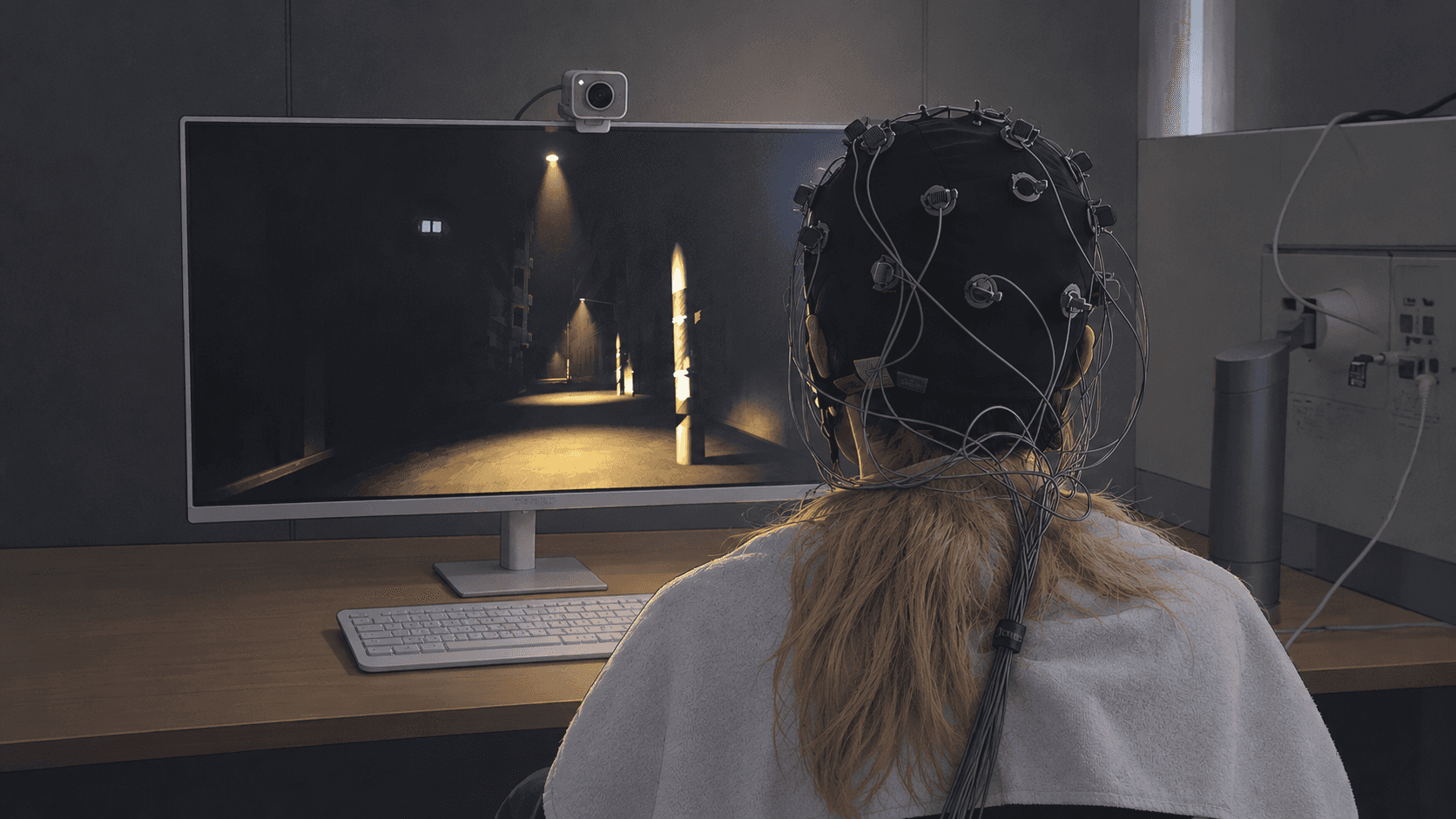
The research evolved from examining where safety problems occur to understanding how people perceive and experience safety, eventually incorporating EEG to explore physiological responses alongside subjective evaluation.
01 - OBSERVE
Where do safety problems occur?

02 - LISTEN
What are people concerned about?

03 - EXPRESS
How can invisible fear become perceptible?

04 - TEST
How do environmental changes affect perceived safety?

05 - UNDERSTAND
How is perceived safety processed?
Appearance & Perception
in Intelligent Agents
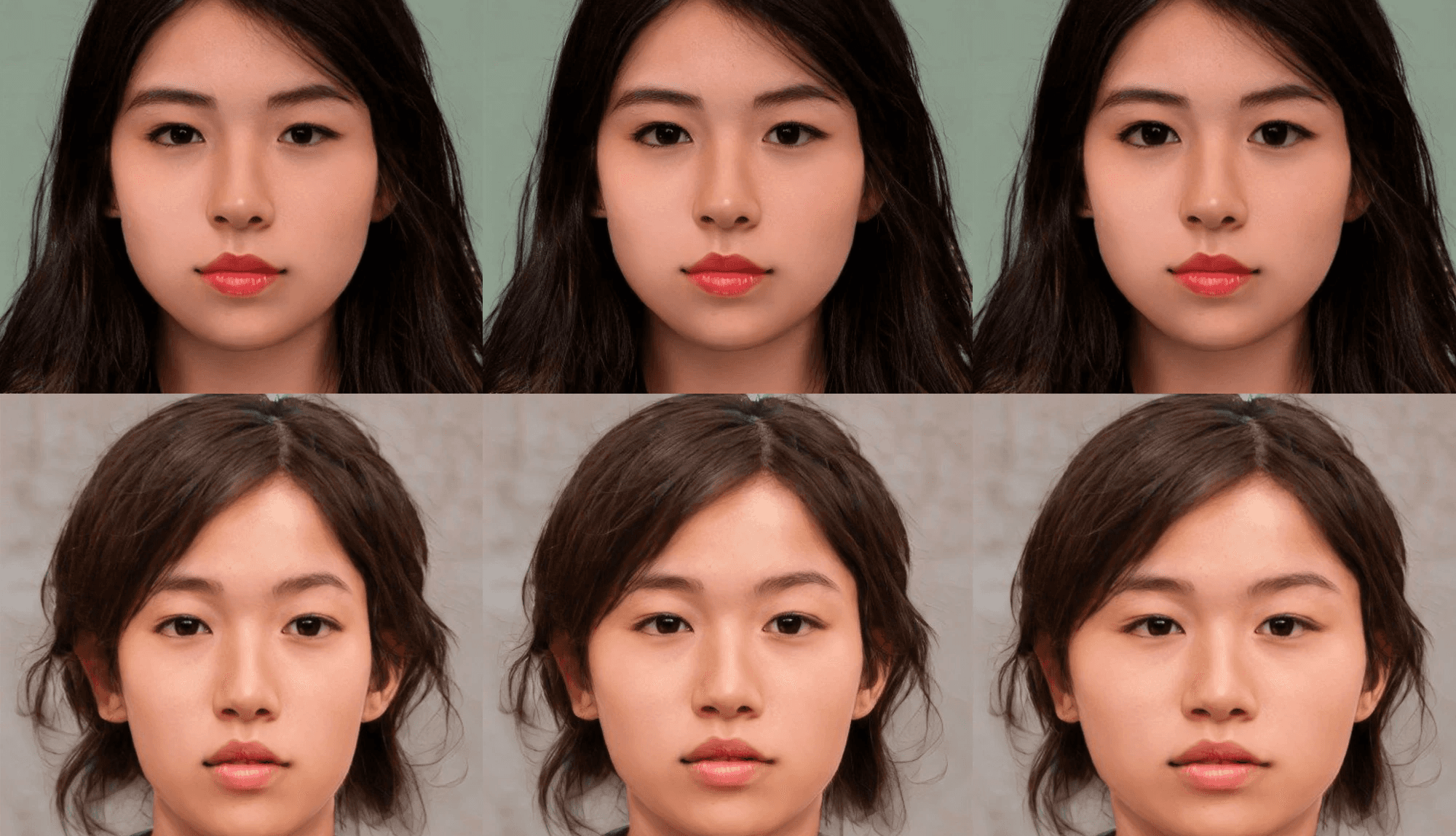
How does visual appearance shape what people perceive about artificial agents?
As AI becomes increasingly embodied and visually represented, appearance becomes part of how people interpret and respond to artificial agents. Across two independent research projects, I explored this question in different contexts—from personality perception in digital humans to trust and preference toward intelligent virtual assistants. Together, these studies examine appearance not simply as an aesthetic attribute, but as a perceptual cue that shapes how people understand AI.

Immersive Systems: Design, Deployment & Evaluation
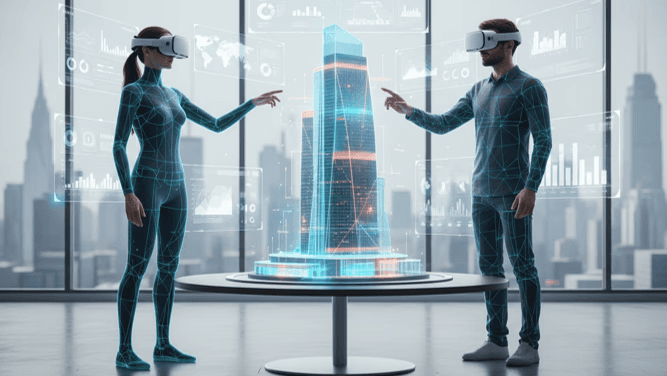
Designing immersive systems that connect interaction, users, and real-world deployment.
My professional work has focused on translating immersive technologies into usable systems—from educational metaverse platforms to multi-device XR collaboration environments.
These projects strengthened my experience in UX planning, service design, system-level thinking, and user evaluation across real-world contexts.

Research-through-Making
Making as a way of thinking, exploring, and communicating research ideas.
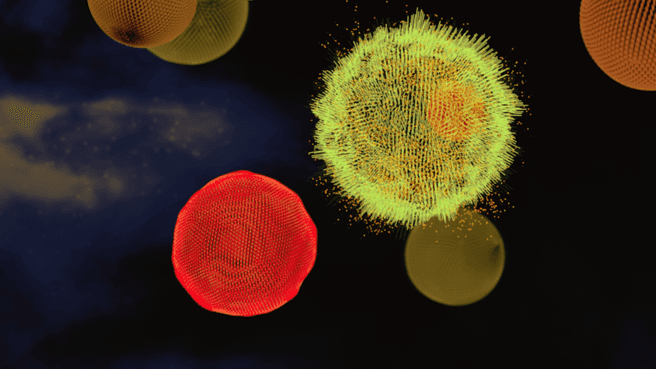
I explore making not only as a way to produce artifacts, but as a way to investigate how data, technology, and social issues can be translated into human experiences.
Across interactive media, visualization, and spatial experiences, these projects ask how research ideas can be experienced rather than simply explained.


From Design to Research
My background in industrial design began with designing what people see and use.
This project was where I first became interested in what happens before the interface is designed—how people behave, what they need, and why they interact with a system in certain ways.
Through user interviews, journey mapping, service design, and interface prototyping, I experienced the full UX process and began to see design not only as a way of making things, but as a way of understanding people.